History
A Brief History
Scawby was mentioned several times in the Domesday Book of 1086 with a total of 34 households with Scawby Hall dating from 1603.
Records show that during the 1700’s and before, the parish consisted of strips of farming land either side of the main street. The enclosure act of 1772 changed the appearance of the parish and The Nelthorpes became the main landowners. Nelthorpe estate cottages can be identified throughout the parish by their dark green architraves.
As a farming community developed, several large farms emerged at the turn of the century with tied cottages for farm workers. Private houses were starting to appear in the 1920’s and by 1930 council houses also were built.
The private houses and council houses offered an opportunity for people to work in other environments e.g. the sugar factory, cement works near Kirton Lindsey and some in the expanding Iron and Steel Works in Scunthorpe
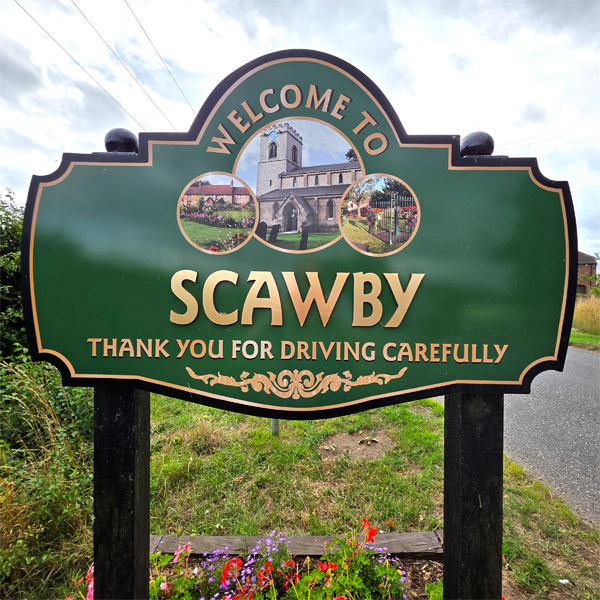
The decades since have seen both the farming growth and residential development extending the parish boundaries to include Greetwell and Scawby Brook. Older records refer to Sturton as Scawby cum Sturton and this has been maintained in current signage.
There have been notable buildings recorded. The Tower Mill in Mill Lane was built around 1829; it collapsed during renovation work in 1994 and was rebuilt as part of a house at that time.
There was a railway station to the south of the village which opened in 1848 and stayed open for 120 years.
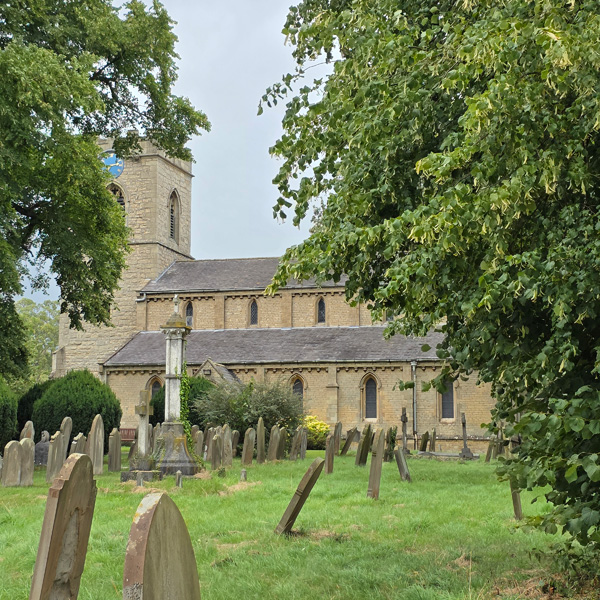
The church of St Hybald was rebuilt in 1843 and again in 1870. The tower is original 15th century. The methodist chapel operated until 2011. At.one time there were 3 vicarages in the village.
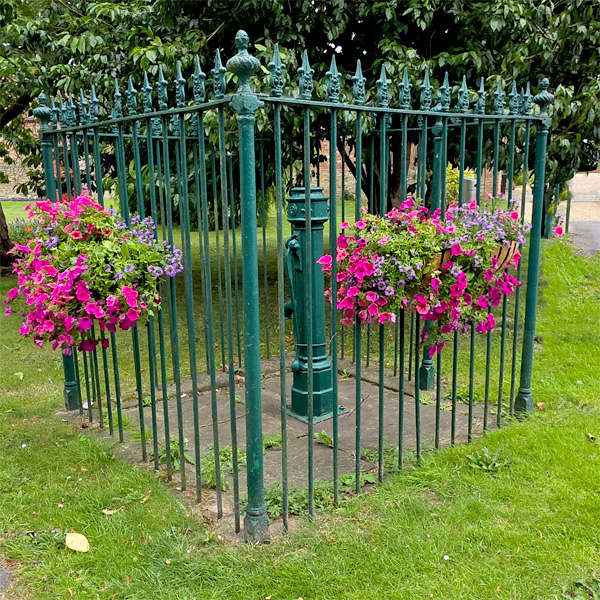
The village green was once a pond and filled in around 1953, the pump remains, however.
One of the old school buildings is next to the church and now stands as a private house. Originally a free school was founded in 1705 by Richard Nelthorpe and rebuilt next to the churchyard in 1854 – the two front doors were separate entrances for boy and for girls. A separate school for infants was built opposite in 1902. They moved to the new school in West Street in 1973, but juniors remained at the old schools until 1983.
The Village Hall dates back to 1921 and started in a hut for community use. This was replaced in 1967 by a brick building and car park.
A lot of archaeological finds have been discovered in the vicinity and of course Ermine Street running through the parish was part of the Roman road from London to York. Two Roman mosaic floors were uncovered at Sturton Farm 1816 and foundations of a Roman bath and two tessellated pavements discovered in the early 19th century also in Sturton. There have been other ‘finds’ some of which are in the Museum in Scunthorpe.
The above is just a taste of the history of this parish. A booklet detailing a journey through the streets of the parish by Greta Burkinshaw was published in 2009 and revised in 2022. Recently a parishioner discovered that a there was quite a full history on Grokipedia Scawby.